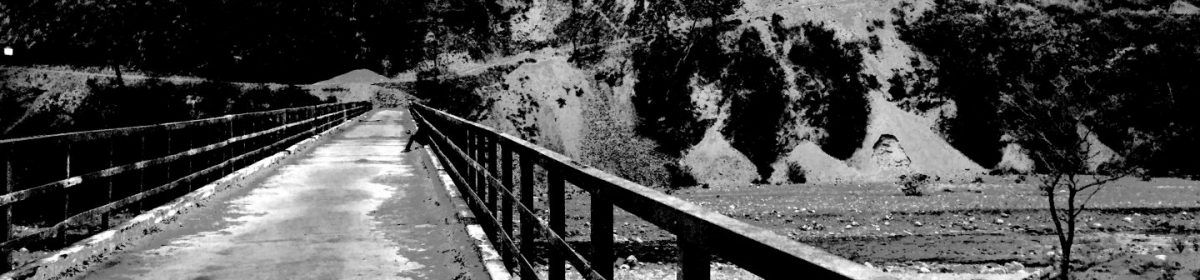
The climb is steep and our loads heavy. The oxygen is low for us city boys. The air too clean and the beauty too serene. We march behind our new found friend Ashish – a local from the nearby village named Sari the place where our adventure began.

To the Lake of the Goddesses – Deoriatal
A tiny village, it had only the most basic facilities. Perhaps that was the reason behind its untouched beauty, or perhaps the fruits of development were yet to reach there. The first leg of our trek was a 3 Kilometer hike to the Deoriatal Lake. The lake lies in the lap of the hills beside Sari. It was early summer so small shops serving juice made of the indigenous rhododendron made our little trip more refreshing than it already was. The route to the lake is rich in biodiversity with many migratory birds nesting there throughout the year. After a steady climb, we reached the campsite and quickly unpacked to watch the sun setting between the snow-clad mountains. A small trail down the hill led us to the majestic Deoriatal Lake. A view like that shouted a group photograph.

Back at the camp, Ashish who was as young as us was preparing dinner for us. Apart from his unmatched knowledge of the hills, he had excellent culinary skills. The food he prepared for us throughout the trip never let us miss our home. We asked Ashish to join us on the table and he shared the next day’s plan with us.
The Jungle Trail
The best part about sleeping in tents is that you don’t need an alarm to wake up. Nature made sure that we are always at the vantage point for the sunrise. We quickly geared up for the next leg of the journey – the longest one in the itinerary, a sixteen-kilometer trek from Deoriatal to the beautiful village of Chopta. Being beginners at trekking, the 16 km seemed daunting. And more daunting was the fact that the next water source would be a river twelve kilometers away from where we were. Ashish packed us some lunch and we backpacked our way across to the first checkpoint. The first climb is always the hardest – something Ashish said to motivate those in the group who were already doubting themselves just after a few hundred meters. We knew the toil was going to be worth it – he made sure that we did. As for myself, I took the task of ensuring that everybody reduces their water consumption to the bare minimum. It is funny how my friends who raided my lunchbox every other day let me ration something like water in the interest of our survival. Of course, it was as fun to take the jungle trek as seriously as I am describing it right now. People do see a leopard or two if they hang around on the trail for too late, and that was motivation enough for the slowest among us to catch up (not taking any names here).

At the halfway point, we reached a mountain grassland called Rohini Bugyal where the herders brought their cows to graze. The sun at that time was directly above us and Ashish advised us to stop there to have lunch. We had the more than filling paranthas he packed for us and lied down on to the grass for a short nap, basking in the glory of the sun. After a rejuvenating thirty minutes, we reluctantly got up to resume our trek to the next checkpoint – the Aakash Kamini river. With our new found energy, we doubled up our speed and reached the sparkling river. Ashish went in first and dared us to stand in the cold water for more than five minutes and not surprisingly, we couldn’t. After rehydrating ourselves and splashing the cold water on our faces, we moved on to complete the last four kilometers of the trek to reach the village Chopta.

Chopta – Aptly called the Mini Switzerland of India
Throughout our walk through the woods, we were quite surprised how suddenly a steep, tree-covered slope become flat and made the most beautiful grasslands called Bugyals in local parlance. Chopta was located on one such Bugyals. It was a small village and most people were either catering to the needs of the tourists or were herders. Upon our arrival, we were welcomed by a couple of friends of Ashish. All our food and lodging on the trip was taken care of by Ashish. The most remarkable thing about him was his standing amongst all the villagers. Wherever we went, he started working as a temporary employee- cooking and cleaning for the owner of the place we stayed to earn something more than his guiding charges. We were more than happy by the meals prepared by him and it was very satisfying to eat more than double of what we ate back at home after that long a trek. Chopta’s only source of electricity was small solar panels installed by the villagers and all lights were turned off by 11 PM. This gave us an opportunity to get out our rooms in the chilly weather and take a walk under the star-studded sky.
The climb starts again – Onto the Tungnath Temple and Chadrashila Peak
Unlike the jungle trek on which we went both uphill and downhill, the path to the temple went only up. Tungnath temple is the highest temple of Lord Shiva in the world and is one of the five kedars. The path to the temple was lined by devotees and travelers alike and the enthusiasm among them was remarkable. The path to the temple had small shops after every kilometer serving the most refreshing tea and local sweets. The temple was located at about 12,000 feet above the sea level and the plan was to stay there at night and move to the Chandrashila Peak to catch the sunrise. We reached Tungnath in about two hours and had the best Aalo Jeera we have had in years. In the evening, we attended the Tungnath Baba Aarti and retired to our beds after dinner.

At 3:30 AM, we got out of our beds and readied our cameras to catch the sunrise at Chandrashila Peak. A few mountain dogs met us at the base of the climbs and moved up as we did. The climb to Chandrashila had quite a steep gradient. It took us about half an hour to cover the remaining 1 km of the peak which got us to 12,800 feet – the highest on this trip. From the starry heavens and the sight of the beautiful Milky Way, the sky slowly turned blue and the sound of birds chirping filled the silence of the night. While we waited for the sun to rise, we set up our equipment to capture the first light coming from between the Chaukhamba and Nanda Devi Mountains. We set up the equipment to shoot the scene amongst many others who were readying for the same shot as us. I made it a point to use a shutter release so as to catch the light with my bare eyes and not through the camera. As the sun rose, a photo session began all over the peak. Soon, we bid our fellow climbers farewell and started the journey down to our room at Tungnath. From now on, we went only down and after packing up, we raced down the path to Chopta.

Farewell
At this point, it felt weird to leave Ashish to go our way back to Delhi. He had become an inseparable part of our group. I remember that while being on the trip, we naively suggested him to do a tourism course to advance his career. We only got to know later how the situation at his home is. He is the only earning member of the family of four – his parents both deaf and dumb could only do so much. And his is not a unique story. Many small villages like Sari are deprived of the comforts we in cities take for granted and their people solely depend upon the income they earn from tourists like us. Our 5 days with Ashish taught us more about life than mountains. His positivity never let any of us see through his struggle. I am quite happy that apart from the break we got from our daily lives, we found a brother on this trip. I would end with an appeal to all those who plan on going to the hills anytime soon, try and always take a guide with you.

And if you plan on going to Deorital-Chandrashila trek or other nearby places including the Panch Kedars, Chandratal, and Brahmtal, do hit Ashish up! He would happily pick up your call : +91 9759216336 .